
Otway Eco Tours offer fully guided tours in the Great Otway National Park and along the Great Ocean Walk
We guide small groups at a relaxed pace to let you experience the beauty of this area and minimise our impact on the environment.
Our guides have an intimate knowledge of the local area and are passionate about sharing it's hidden gems.
We have been featured by Australian Geographic, Lonely Planet, BBC Holiday (UK) and Ray Mears. Our business is licensed by Parks Victoria and is Ecotourism certified and accredited.
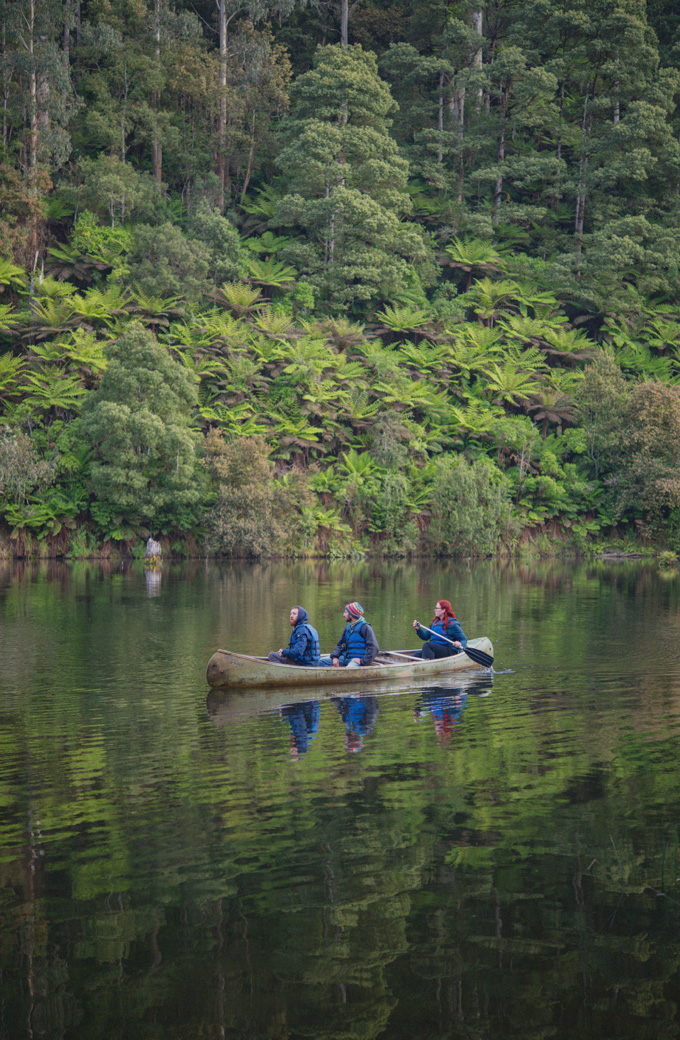
Paddle with the Platypus
As we guide you by canoe, see one of Australia’s most elusive and ancient creatures in the wild – the platypus. In its natural habitat, the platypus now considered threatened in Victoria, can be seen at the enchanting Lake Elizabeth.
Glide across the misty lake at dawn when the local birdlife are most active or watch the sun go down from the lake and spot the magical glow worms at dusk.
Leave everything behind when you embark on the 1km walk up to the lake, strolling amongst 150 year old tree ferns and the tall eucalypt forest, home to the resident koalas. Once there, you can sit back and enjoy the tranquility of being on the water, sharing some time with the platypus during this unique experience.
We have been guiding tours to this wild platypus colony for 21 years with a 95% sighting success rate.
Location
Lake Elizabeth, Great Otway National Park
Time
Dawn and dusk, times vary throughout the year
Price
Adult: $95
Child: $60 (child age up to 18, min age 5)
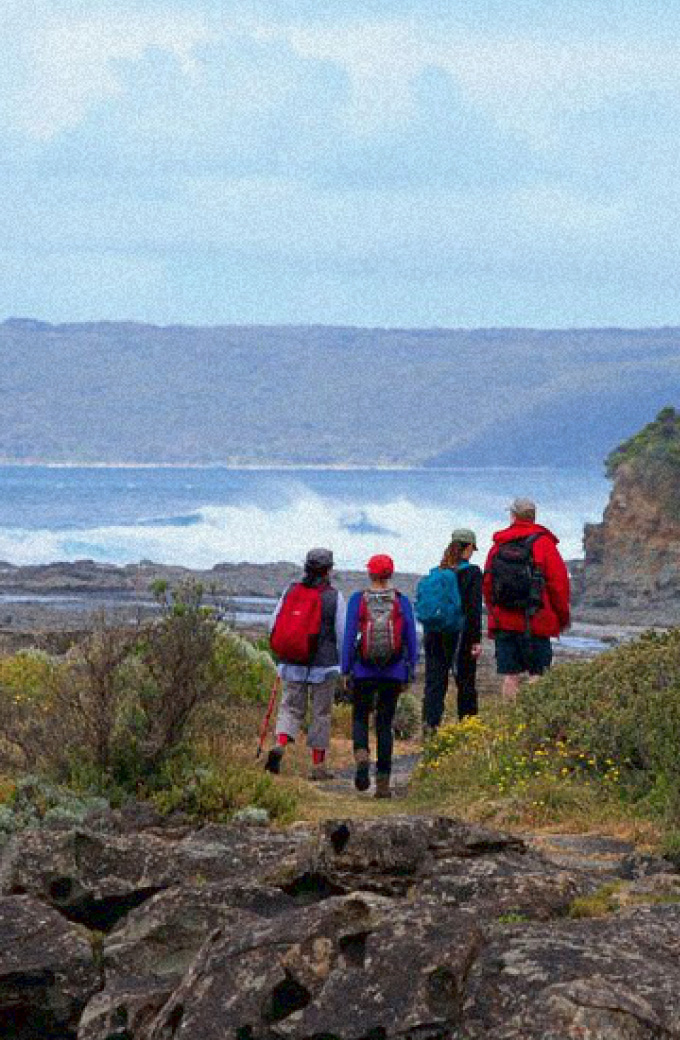
Great Ocean Walk
Join us on a day trip to explore some of the Otway's natural wonders along the Great Ocean Walk.
With over 100 kilometres of iconic coastline to choose from, we cover 10-15 kilometres per day and tailor our walks to suit your desires – whether you prefer to explore ancient rainforests, coastal heathlands, pristine beaches or rugged cliffs.
Our day trips include lunch and transport to and from your accommodation so that you can focus on taking in the beauty of your surroundings.
Location
Apollo Bay, Great Ocean Road
Price
$180 pp
Duration
Up to 6 Hours per Day
“A surreal experience we will remember and talk about forever! Fantastic setting, brilliant wildlife and a great guide.”
Jo & Matt, London
“A fantastic coastline full of surprises, great to see there are still some special places that remain untouched. Wonderful food and we loved staying at the Lighthouse, it was a real experience.”
John & Jan, Sydney
“It was so beautiful to live at the rhythm of nature, which doesn't happen very often to us when we live in big cities. Thanks for the great tour Bruce.”
Emilie & Julien, Bordeaux
“Wonderfully relaxing way to see a fascinating animal. Well organised and informative, thanks.”
Monica, Melbourne
School Groups
We offer curriculum-based educational activities for school groups operating along the Great Ocean Walk and in the Great Otway National Park. All of our school programs are hands-on, highly educational, and focus on getting students back into nature.
Choose from our canoe tours on Lake Elizabeth, rockpooling and walking along the Great Ocean Road or glowworm spotting in the Otways.
Canoeing
Paddle on the mesmerising Lake Elizabeth, just out of Forrest in the Great Otway National Park. Our canoe tours offer a rare opportunity to spot the elusive Platypus – in it's natural habitat.
This tour covers a range of topics including forest and river ecology, water safety, canoeing techniques, and native animal behaviour.
Price
$25 pp (student)
Duration
Up to 3 Hours
Rockpooling
Discover the mysteries of our unique coastline and its inhabitants on one of our rock pool tours. Covering the diverse ecology of the intertidal zone and other aspects of our fascinating marine environment.
On the tour we will see up close the complex relationships between sea creatures and their environment, and discuss sustainability and the human pressures on our marine systems.
Price
$25 pp (student)
Duration
Up to 2 Hours
Great Ocean Walk
Join us on a guided day tour along the breathtaking Great Ocean Walk. Choose from a variety of environments to explore, including ancient tall forests, heathlands lining the coast, open stretches of beach or rugged coastal cliffs.
Our day walks are tailored to each group and cover a variety of topics including the indigenous history of the area, tales of shipwrecks along the treacherous coastline, and education on marine and forest ecology.
Price
$30 pp (student)
Duration
Up to 4 Hours
Glowworm Walk
See the forest come alive at night with our glowworm spotlight tours. The Otways host a large variety of fauna, many of which are only active at night time. Be enchanted by the glorious glowworm displays and experience the excitement of spotting native animals in the dark.
During this tour we offer a range of information on animal behaviour and strategies for survival at night, history of the area, and on understanding local flora and fauna in their natural environment.
Price
$20 pp (student)
Duration
Up to 2 Hours
Gift Card
Onsequat, vel illum dolore eu feugiat nulla facilisis at vero eros et accumsan et iusto odio dignissim qui blandit praesent luptatum zzril delenit augue duis dolore te feugait nulla facilisi.
